Why Fire Suppression Systems Are a Non-Negotiable Part of Your Commercial Kitchen Safety Plan
If you have ever spent a late shift in a restaurant kitchen, you know the heat is not just from the ovens. It is the constant motion, the steam, the sizzle of oil hitting a hot pan, and the pressure to get plates out. Amid all that, there is one piece of equipment most cooks ignore until something goes wrong: the fire suppression system. I have seen kitchens where the hood looks clean from the floor but holds a layer of grease thick enough to drip into the pans below. That is when a good system becomes the difference between a minor flare-up and a full restaurant fire.
The Link Between Grease Buildup and System Performance
A commercial kitchen produces airborne grease constantly. Frying, grilling, and even sautéing send tiny droplets of oil into the air. Most of that grease travels up into the ventilation system, where it coats the inside of the exhaust duct, the grease filter, and the exhaust fan. Over time, that coating turns into a hard, sticky residue that is highly flammable. If a fire starts on the cooking surface, flames can reach into the hood and ignite that accumulated grease. That is where your fire suppression systems come in. They are designed to detect a rapid temperature rise and discharge a wet chemical agent that smothers the fire before it spreads into the ductwork.
But here is the catch: if the system nozzles are blocked by grease buildup, the agent cannot reach the flames. I have talked to kitchen managers who assumed their Ansul system would work no matter what, only to find during a hood inspection that the nozzles were caked shut. The system might still pass a visual check, but it will not perform when needed. That is why regular hood cleaning is not just about looking good for the health inspector. It directly affects whether your fire suppression systems can do their job.
NFPA 96 and the Bare Metal Standard
The National Fire Protection Association publishes NFPA 96, the standard that governs fire safety in commercial cooking operations. It covers everything from the design of the ventilation system to how often you must clean it. One of the most talked-about requirements is what the industry calls the bare metal standard. That means the interior surfaces of the exhaust duct, the hood, and the exhaust fan must be cleaned down to the base metal, with no visible grease buildup. The idea is straightforward: if there is no grease to burn, a fire has less fuel. But meeting that standard takes more than a quick wipe-down.
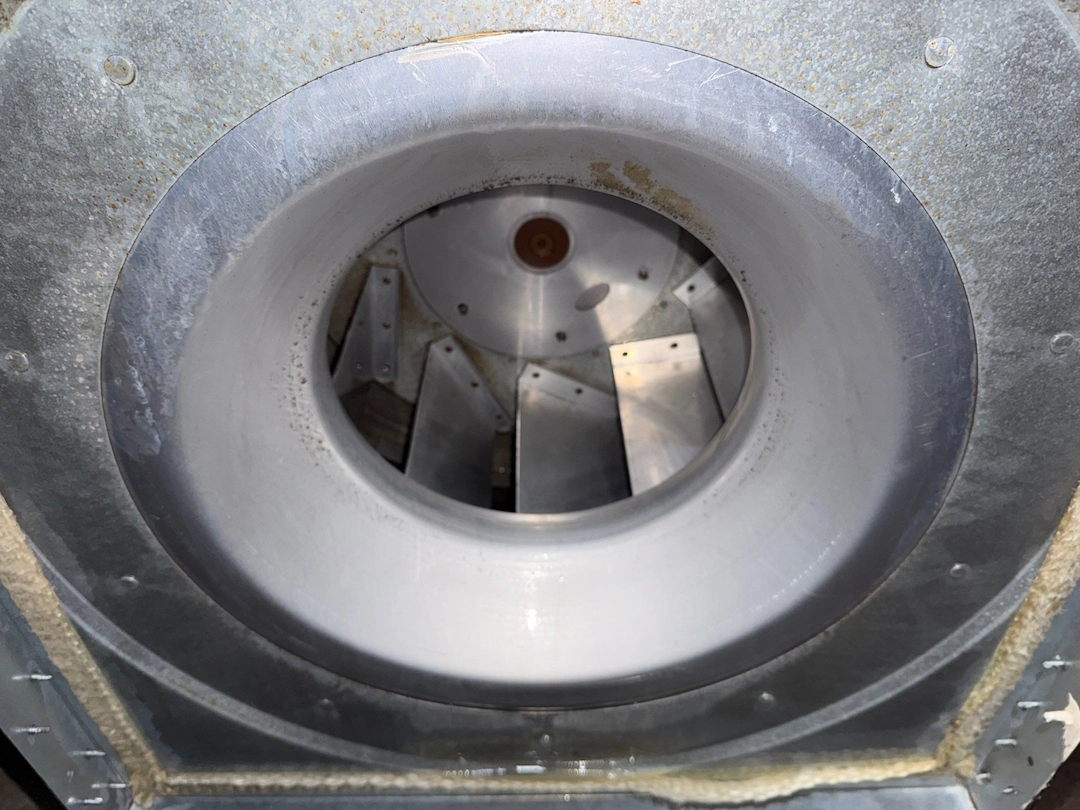
I have been in kitchens where the cleaning crew only hits the bottom of the hood, leaving the top and the ductwork untouched. That might pass a casual glance, but it will not satisfy a fire code compliance inspector. NFPA 96 requires that all accessible parts of the kitchen exhaust system be cleaned at intervals based on the volume of cooking. For high-volume operations, that can be as often as every three months. The goal is to keep the entire path from the cooking surface to the roof vent free of combustible residue.
What a Thorough Cleaning Actually Involves
Proper hood cleaning is a detailed physical job. It means scraping and scrubbing the inside of the hood, the grease filters, the exhaust duct, and the exhaust fan blades. It also means checking the condition of the fire suppression system components. A good cleaner will look at the fusible links, the nozzle caps, and the piping for signs of corrosion or damage. They should also test the manual pull station and verify that the system will activate if needed. This is not something you can do with a degreaser and a rag in ten minutes. It takes time, access to the right tools, and knowledge of the system design.
One thing I have noticed is that many operators treat hood cleaning as a separate task from fire protection. They call a duct cleaning company and then assume the Ansul system is fine because it was last inspected by the installer. But the two are connected. A buildup of grease inside the exhaust duct can block the path of the suppression agent. It can also insulate the duct, allowing a fire to burn longer before the heat triggers the system. That delay can let the fire reach a point where the ventilation system itself becomes a chimney, drawing flames upward and spreading the fire through the building.
Beyond the Hood: What Else Needs Attention
Fire safety in a commercial kitchen involves more than just the main hood suppression system. There are also portable fire extinguishers, often required by local codes. A Class K extinguisher is standard for kitchens because it handles the burning oils and fats common in cooking. But an extinguisher is a last resort. The primary line of defense is the built-in fire suppression system, which acts automatically. Even so, I have seen kitchens where the extinguisher is mounted behind a stack of boxes or the inspection tag is expired. Those small details matter when every second counts.
The UL 300 listing is another important piece. That standard sets the performance requirements for wet chemical fire suppression systems used in commercial cooking. When you see a system with a UL 300 label, it has been tested against specific fire scenarios, including the ignition of hot oil and grease. That testing ensures the system can handle the real conditions of a restaurant kitchen. But a UL 300 listing does not mean the system is maintenance-free. It still requires regular inspection and cleaning of the surrounding ventilation system to work as designed.

How Often Should You Schedule Service?
The frequency of cleaning and inspection depends on how much cooking you do. A fast-food restaurant that runs fryers all day has a higher risk of grease buildup than a bakery that mostly uses ovens. NFPA 96 provides guidelines, but many local fire codes adopt the standard directly. Here is a general breakdown based on what I have seen work well in practice:
- High-volume cooking (frying, grilling, wok cooking): every three months
- Moderate-volume cooking (most full-service restaurants): every six months
- Low-volume cooking (churches, daycamps, light prep kitchens): every twelve months
These intervals assume the cleaning is thorough enough to meet the bare metal standard. If your crew notices a heavy buildup between cleanings, it is worth moving to a shorter cycle. The cost of an extra cleaning is small compared to the risk of a fire that shuts down your business for weeks.
Common Mistakes I See in the Field
One mistake I see often is relying only on the fire suppression system without considering the rest of the fire protection plan. A system can discharge perfectly, but if the ventilation system is clogged with grease, the fire can still travel through the ductwork to other parts of the building. Another mistake is assuming that a clean hood means the ductwork is clean. I have pulled access panels on exhaust ducts that looked clean from the hood opening but had a thick layer of grease further down the run, especially near the exhaust fan. That hidden grease is a fire hazard because it is out of sight and often out of mind.
I also see operators who skip the hood inspection because they think it is just a formality. But a hood inspection is a chance to catch problems before they become emergencies. An inspector will check the condition of the grease filter, the clearance around cooking equipment, and the state of the fire suppression systems. They will also look for signs of improper alterations, like a change in the cooking equipment that might require a different suppression agent or nozzle arrangement. Ignoring those details can lead to a failed inspection and, worse, a fire that could have been prevented.
Putting It All Together
A commercial kitchen has enough daily challenges without adding fire risk to the list. The combination of heat, oil, and open flames makes restaurant kitchens one of the highest-risk environments for fire. But that risk is manageable with the right practices. Keeping your kitchen exhaust system clean to the bare metal standard, scheduling regular inspections of your fire suppression systems, and training your staff on basic fire safety can reduce the chance of a serious fire dramatically.

I have walked into kitchens that felt like a fire waiting to happen, and I have walked into kitchens that were so clean you could eat off the exhaust fan blades. The difference is not about money or fancy equipment. It is about understanding that fire safety is an everyday commitment, not a once-a-year event. Your fire suppression systems are a critical part of that commitment, but they work best when the rest of the system is clean and well-maintained. That includes the hood, the duct, the fan, and the filters. Every component matters.
If you are responsible for a commercial kitchen, take a look at your hood cleaning schedule and your inspection records. Ask your service provider whether they check the fire suppression system during each cleaning. If they do not, find someone who does. It is one of the simplest steps you can take to protect your staff, your customers, and your business.
Ends · FIRESUPPRESSIONSYSTEMSDIGEST